Metal Flowers
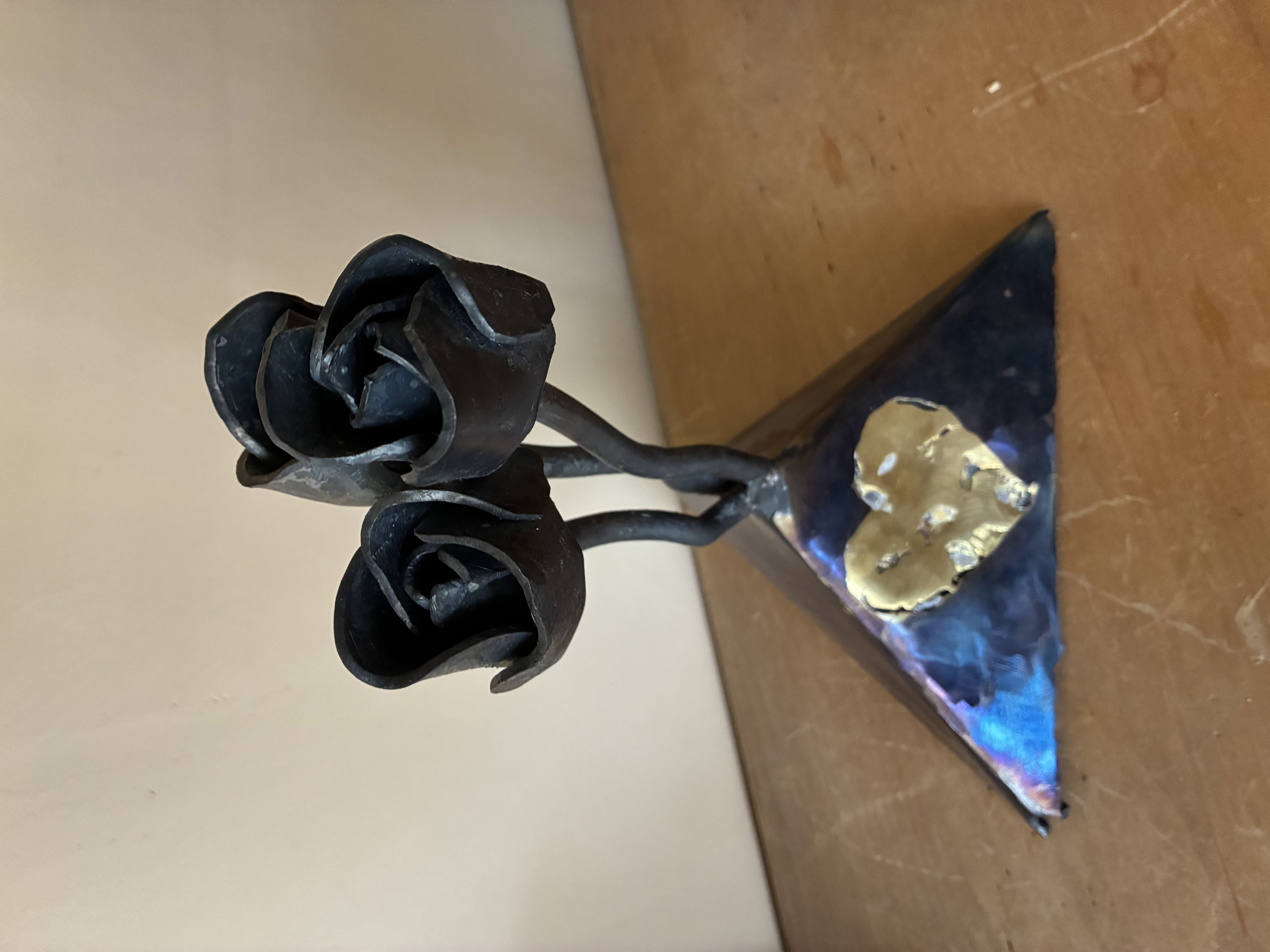
This is one of three sculptures I made as part of a welding class I took at my local community college. The main focus of the class was technical skills using an oxyacetylene setup, but we finished the curriculum ahead of schedule, and our teacher allowed us to create sculptures we wanted to. The last assignment of the class had been a flower, and that was all anyone knew how to make, so basically that meant everyone was making various types of flowers. The one pictured above is the one I spent the most time on and the one I like the most. In this post, I’ll go over the techniques used to make it and what I learned from doing so.
Material:
There are only two materials in the flower sculpture: steel and brass. The steel came in a variety of forms, which are:
- 1/16 inch plate (inner petals)
- 1/8 inch plate (outer petals and base)
- 1/2 inch rod (the stems)
- Welding rods
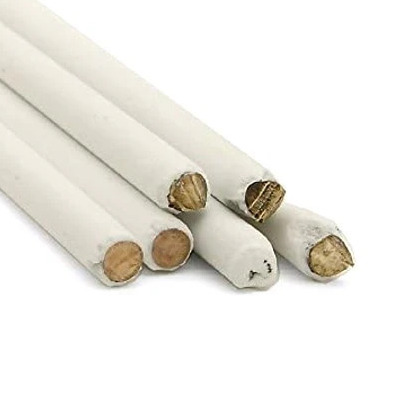
The brass all came from brazing rods, which are basically welding rods made of brass and coated in flux. Pictured below is a close-up shot of the end of some brazing rods:
The fuel used was an oxygen and acetylene mixture, or oxyacetylene. This is an example of non-arc welding, meaning it can be used for more than just strictly welding, as will be seen below.
Flower construction:
The flowers themselves are made from two sheets of steel and a central steel rod. The plates are cut into flat petals (using oxyacetylene cutting) and a hole is punched in the center. They are then mounted and welded onto the central rod, forming something resembling a squished flower.
Each petal, starting from the upper ones and working downward, is heated (also with the acetylene torch) and bent up using pliers, hammers, and chisels. This was sometimes repeated for the same petal to achieve the desired final shape. This process ends up leaving sharp points around the lower rim, which have to be heated and hammered inward. I was attempting to get something resembling tulips with this sculpture, but it proved challenging to get the petals close enough together, and I think they more closely resemble roses.
To sculpt the stem, the head of the flower is quenched and used as a handle to manipulate the stem as it’s heated. This allows for the organic look seen above.
Base construction:
The base is made of three 6-inch on side right triangles of 1/4-inch steel plate. On the side with the heart, I cut out the shape using a plasma cutter (the oxyacetylene would not have been precise enough) and welded on a plate behind the hole, completely covering it. I then welded the three triangles together and polished them using an abrasive attachment to an angle grinder (including in the hole previously mentioned, which is important).
The brass heart was achieved through a technique called brazing, in which the metal around the hole is heated to beyond the melting point of brass so a brass rod pressed against it will melt and fill the hole. It’s not a perfect process, and can sometimes leave craters, as can be seen above. I then polished it again, both to clean the brass and to remove what’s known as mill scale from the steel. This is a matte, dark grey substance that rises to the surface of steel when sufficiently heated and makes it much less appealing to look at.
The colorful nature of the base actually isn’t from any coloring agent; it’s an interesting property of steel that allows it to take on a wide range of hues when heated to precise temperatures. This can be achieved in practice by very slowly heating the base after polishing with a torch until it turns the desired shade.